Briefing 02 / Pack → Enclosure

The Insulation Envelope

Insulation changes how quickly heat crosses a boundary. Its winter value depends on what heat exists, where it escapes and how long the pack waits.

Cause / Heat exchange

Think in time, not just thickness

An insulated battery enclosure can slow cooling after operation or controlled preheating. It cannot hold a pack above the surrounding temperature indefinitely without a continuing source of heat. During a sufficiently long idle period, the temperature difference will diminish. That makes the interval between operating cycles a design input. A machine used every shift and an emergency battery waiting for weeks may need very different strategies, even at the same location.

A simple thermal model starts with stored thermal energy and the routes by which it leaves. Thermal mass describes how much energy is needed to change temperature; thermal resistance describes opposition to heat flow. Together they influence the rate of cooling. Real packs are not uniform blocks, however. Cells, busbars, enclosure panels and cooling circuits have distinct paths and time responses. A first-order model is useful for screening, not a guarantee of cell-level conditions.

Follow the bridges around the blanket

Heat can bypass the main insulating layer through metal supports, cable penetrations, fasteners, cooling pipes and mounting feet. These thermal bridges can dominate a carefully insulated panel. Air leakage can also carry heat away, particularly in exposed wind conditions. Before specifying a thicker material, map the complete enclosure boundary and identify the paths that remain unchanged. Include service doors, removable covers and interfaces with the vehicle or foundation in that inspection.

Outside → Inside
Weather boundary
Wind, water, ice, solar exposure and mechanical protection.
Insulating layer
Controlled conductive heat loss, with attention to bridges and ageing.
Cell compartment
Temperature sensing, approved clearances and managed heat distribution.

Insulation properties must remain suitable after compression, vibration, moisture exposure and repeated temperature cycling. A material’s quoted thermal conductivity is only part of the decision. Electrical isolation, flammability, chemical compatibility, serviceability and behaviour during abnormal events also matter. Do not add household insulating products to an existing pack or obstruct a certified ventilation path. A thermal improvement that undermines electrical or fire safety is not an acceptable trade.
Response / Manage the whole boundary

Moisture changes the problem

Condensation becomes possible when a surface is colder than the dew point of the air reaching it. Bringing cold equipment into a warm, humid workspace can therefore introduce moisture even when outdoor conditions seemed dry. Water may affect insulation performance, connections and corrosion resistance. The appropriate response can involve seals, drainage, humidity control or a managed pressure-equalisation strategy. Simply sealing every opening is not a universal solution, especially where pressure relief or gas management is required.

Phase-change materials can buffer temperature changes by absorbing or releasing latent heat over a transition range. They are not an unlimited thermal reserve. Their benefit depends on the transition temperature, available heat, containment and the opportunity to reset between cycles. A material that never reaches its intended transition during the actual duty cycle may add mass without delivering the expected benefit. Evaluate it within the operating sequence rather than as an isolated sample.

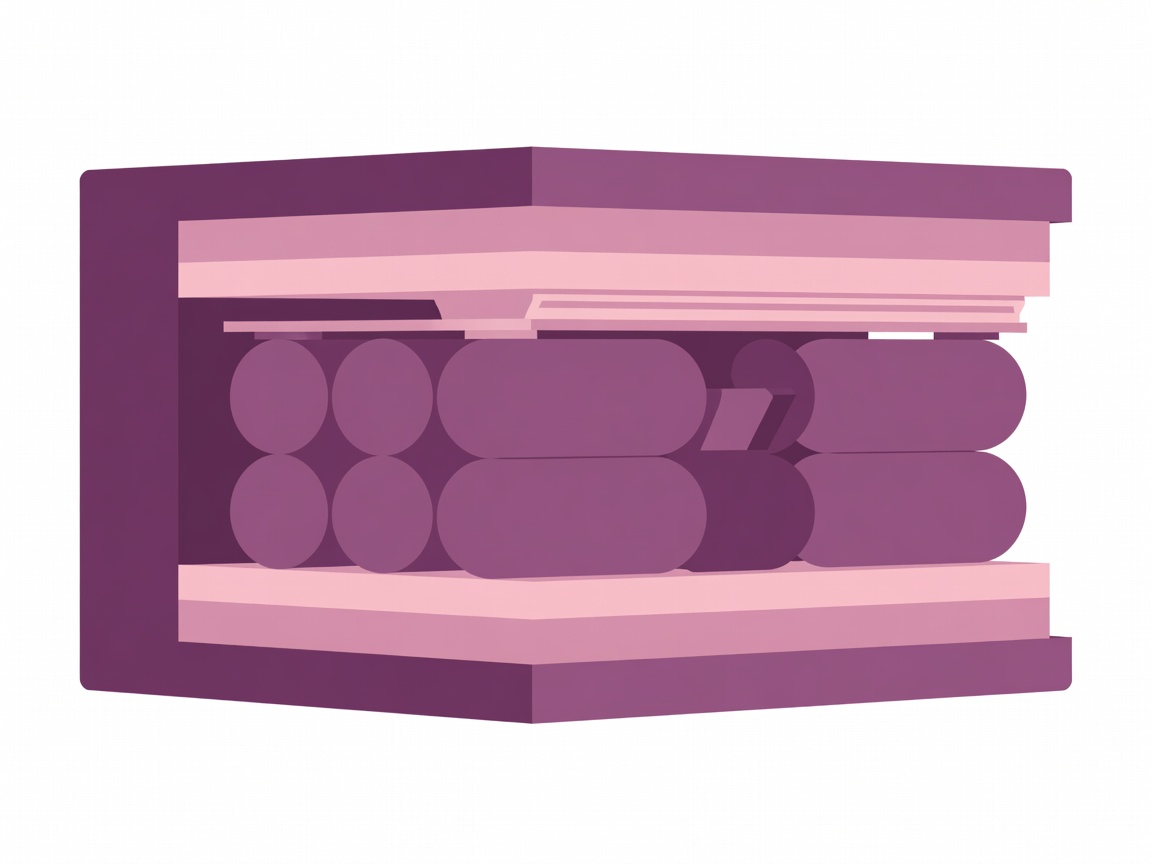
Flat plum and blush illustration of a battery enclosure with insulation layers, a mounting bridge and a sensor near the cells.
A conceptual cross-section: a continuous panel does not remove heat paths through structural supports.

Do not design only for the coldest day

The same enclosure that retains useful winter heat can slow heat rejection during high loads or warmer weather. Ask whether the cooling circuit can still remove losses, whether internal temperature gradients grow and whether a parked system experiences solar heating. A seasonal operating envelope is more informative than a single cold test. Any removable winter covering also creates a procedural dependency: someone must fit, inspect and remove it correctly at the right time.

A practical evaluation compares otherwise equivalent cooldown tests with known initial temperatures and ambient conditions. Record multiple locations, the wind or airflow state, enclosure configuration and any auxiliary power. Fit a model cautiously, then check it against another condition rather than the same data used to tune it. IEC 60068-2-1 provides a framework for cold environmental testing, while IEC 60529 describes enclosure ingress protection classifications. Neither standard by itself proves satisfactory battery thermal performance.

The final question is operational: how much useful readiness does the envelope preserve, and for how long? Express the result as a temperature trajectory and an energy budget, not merely an insulation thickness. If the pack must wake after a prolonged cold soak, retained heat may be insufficient. That is the point to assess an approved heating system, with controls that recognise the difference between a warm enclosure wall and cells ready for duty.

Research starting points

NEXT: CONTROLLED HEATING