Define what must survive the wait
A stationary battery may spend much of winter waiting, while its controls, communications and thermal systems continue using power. Begin with the service it must provide: brief ride-through, scheduled energy shifting, renewable smoothing or prolonged emergency supply. Each has a different tolerance for delayed startup and reduced output. Define the required load profile and duration, the longest credible idle period and the conditions under which charging might be unavailable.
Nameplate energy is measured under specified conditions. It is not a promise of identical delivery at every temperature, power level or age. A winter model should include the permitted state-of-charge window, conversion losses, cold-related operating restrictions, auxiliary demand and the required reserve. Report energy at the boundary that matters to the user, such as the load-side AC connection, rather than mixing cell-level DC measurements with installation-level expectations.
Count the quiet loads
Standby heaters, pumps, fans, controllers and communications can become significant over a long wait. Some operate continuously; others cycle with temperature or humidity. Measure or model their actual duty instead of multiplying every rated power by the full winter duration. Then test a loss-of-grid scenario. If the battery supplies its own heating, maintaining readiness consumes reserve that would otherwise serve the protected load. An initially full pack does not remove that trade-off.
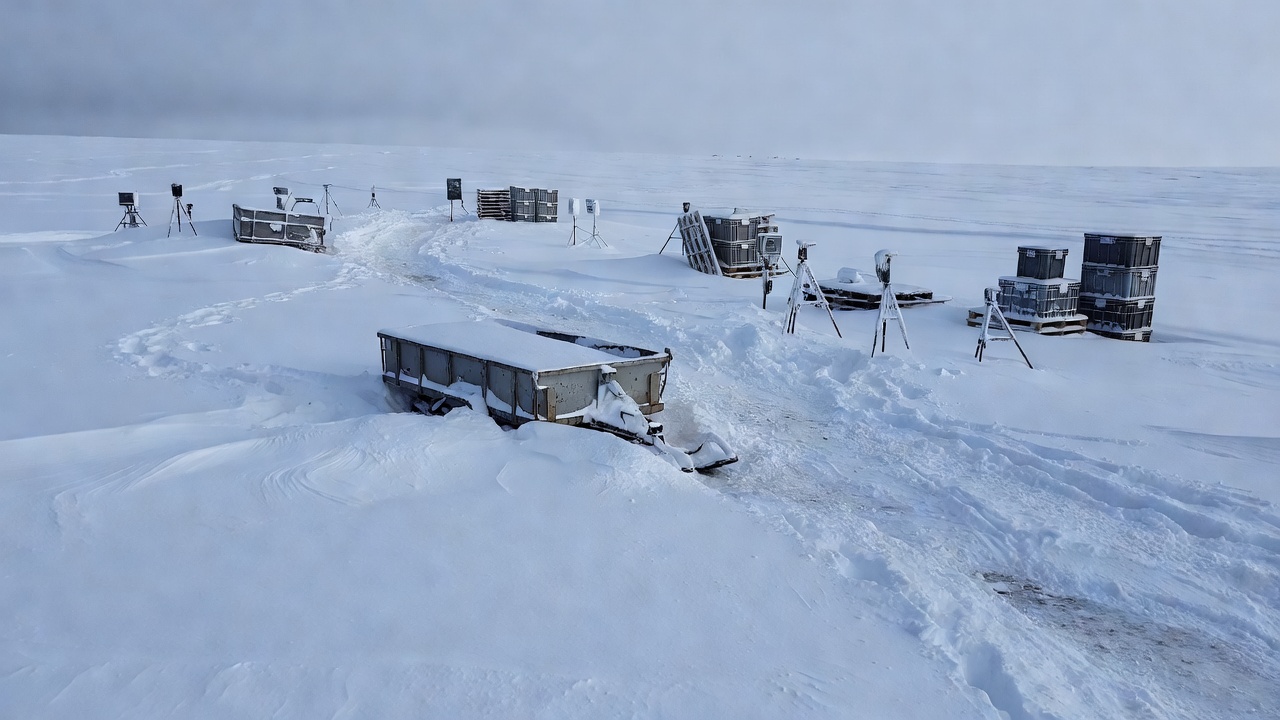
Cold weather may coincide with restricted charging opportunities. A photovoltaic installation can experience short days, shading or snow cover; a remote site may have limited generator availability. Those conditions are location-specific and should not be replaced by a generic winter multiplier. Use site weather and generation records, realistic load histories and an explicit sequence of poor conditions. Averages can conceal the multi-day events that determine whether the reserve remains adequate.